Evaluating hanwoo (Korean beef) and galbi restaurants typically focuses on operational aspects like ambiance, service, and per-person cost. However, when someone who truly understands hanwoo is present, the evaluation shifts. Marbling grade by cut, aging level, days since slaughter, and butchering/trimming — these variables determine the impression of the hanwoo. This article is a review from the perspective of a chef/hanwoo expert, analyzing Seolya Galbi Cheongdam through the lens of the hanwoo itself.
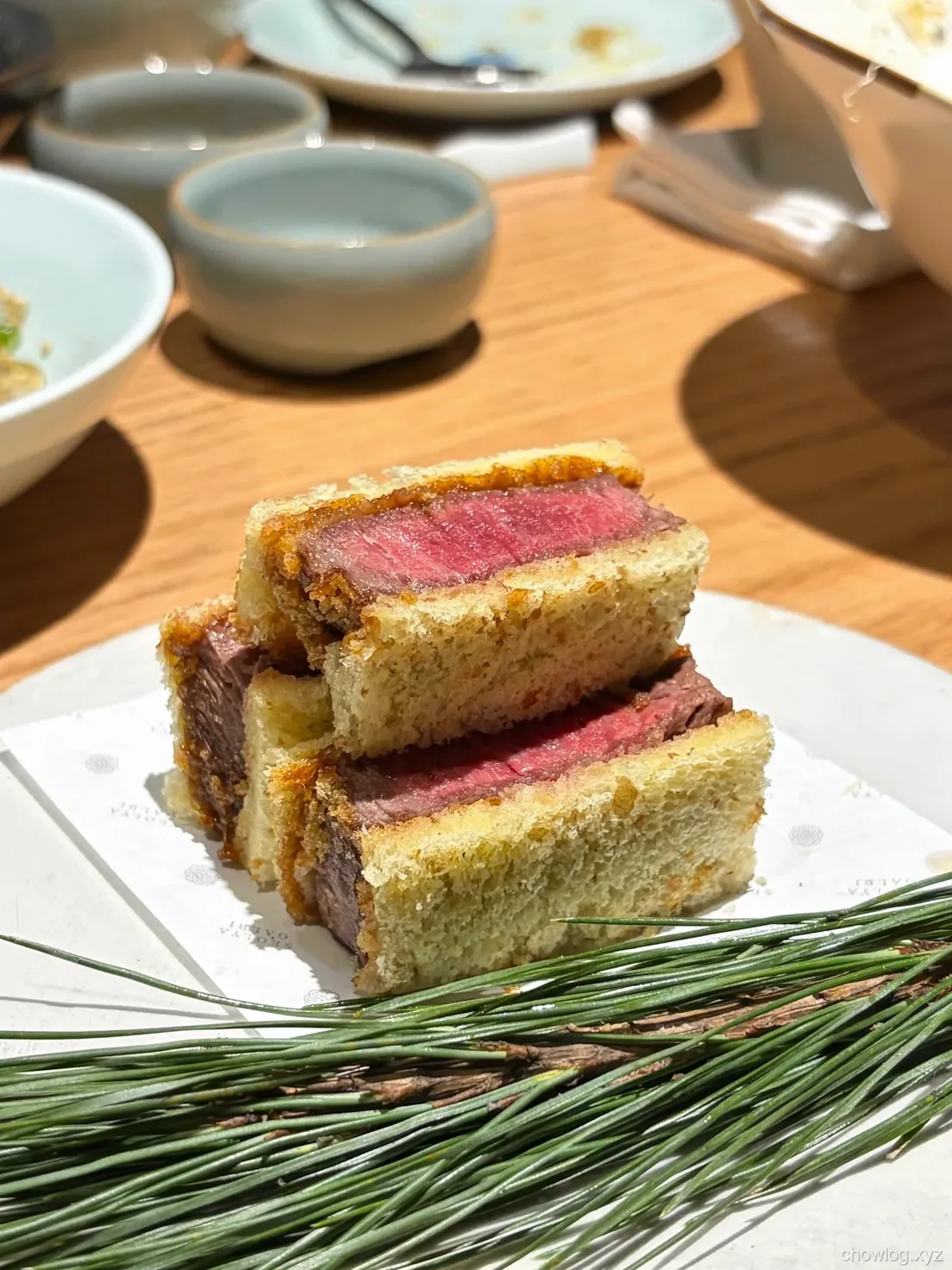
Summary — 5 Pillars of Hanwoo Evaluation
| Restaurant | Seolya Galbi Cheongdam |
|---|---|
| Main Cuts | Marinated Galbi + Fresh Galbi + Chadolbagi + Tenderloin |
| Hanwoo Grade (Perceived) | Primarily 1++ / 1+, minimal variation by cut |
| Marbling Distribution | Stable No.7~9 range (based on marinated galbi) |
| Aging / Days Since Slaughter | Estimated 2~3 weeks wet aging (based on texture/aroma) |
| Butchering & Trimming | High uniformity, consistent cut thickness |
Analysis of the 5 Pillars of Hanwoo Evaluation
① Marbling Distribution — Stable No.7~9 Range
In the hanwoo grading system, marbling (intramuscular fat) is categorized into 9 levels, from No.1 to No.9. A 1++ grade requires a marbling score of No.7 or higher. Seolya Galbi’s marinated galbi and fresh galbi consistently fall within the No.7~No.9 range. When receiving the same cut at the same table, the variation in marbling distribution is small — indicating high consistency in the butchering, trimming, and selection stages.
This consistency is a pattern typically seen when hanwoo is sourced from a single farm and a single grade at the wholesale/intermediate stage. It appears the restaurant controls grade variations through its relationship with wholesalers. This is a commendable point from a chef’s perspective.
② Aging Level — Estimated 2~3 Weeks Wet Aging
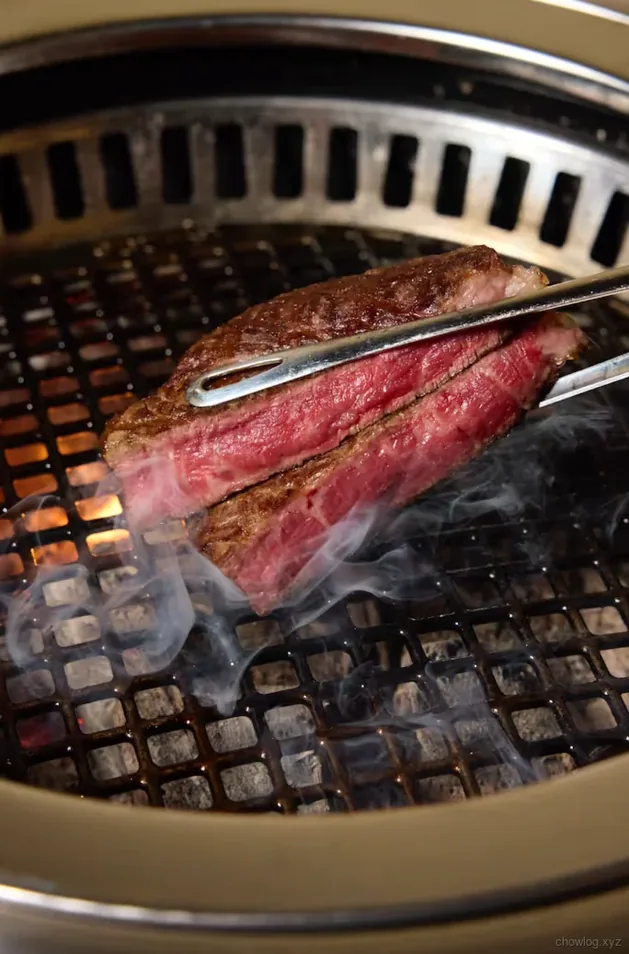
Hanwoo aging is divided into dry aging and wet aging. Most galbi course restaurants use wet aging for 2~3 weeks as a standard, and Seolya Galbi’s fresh galbi and marinated galbi are estimated to fall within this range. Based on texture, the inherent tenderness of hanwoo is preserved, and there’s no excessive aged aroma. While not suitable for those expecting the rich aroma of dry aging, it’s perfect for showcasing the “original texture of hanwoo.”
The chadolbagi yukhoe (beef tartare) is an exception — standard processing is within 24~48 hours of slaughter, and Seolya Galbi’s chadolbagi yukhoe also falls within this range. The freshness is stable.
③ Consistent Cut Thickness & Trimming
The cut thickness of the marinated galbi is consistently in the 8~10mm range. The fresh galbi is thicker, at 12~15mm. Both thicknesses allow for even cooking over direct charcoal heat. From a chef’s perspective, inconsistent cut thickness can lead to varying cooking times at different tables, but Seolya Galbi has controlled this variable. This implies clear guidelines during the butchering stage.
④ Marinade — Controlled Sweetness is Key
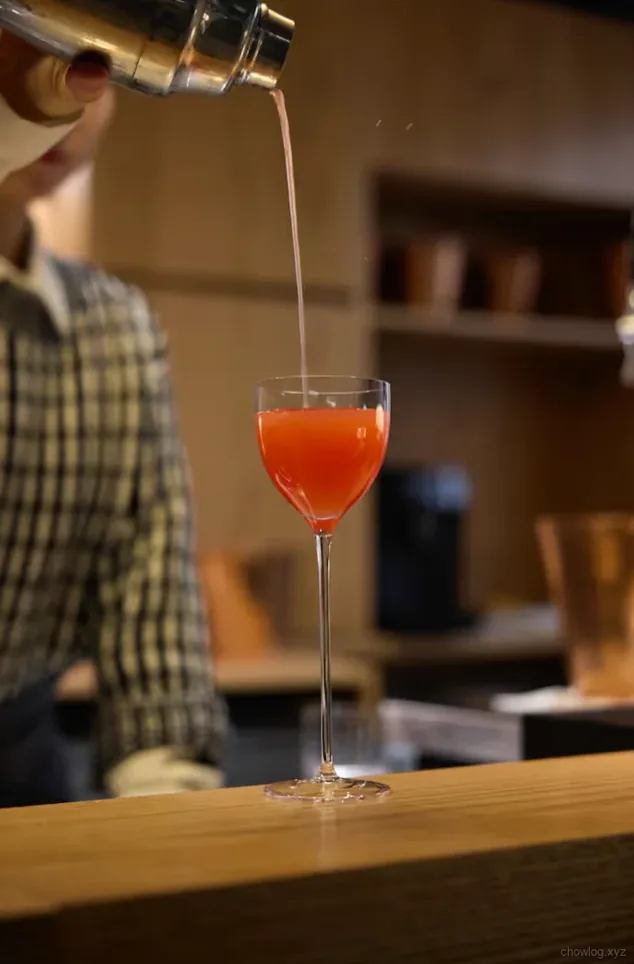
The most common variable in evaluating marinated galbi is sweetness. If it’s too sweet, it can overpower the inherent flavor of the hanwoo; if it’s too mild, the cultural impression of marinated galbi diminishes. Seolya Galbi’s marinade has a controlled sweetness — the balance of soy sauce, pear, garlic, ginger, and sesame oil is conservative, with umami more prominent than sweetness itself. The marbling aroma of 1++ hanwoo and the marinade’s profile do not clash.

⑤ Garlic Tenderloin — Simplicity in Cut Utilization
Tenderloin is a hanwoo cut with less marbling (No.3~5 range). Because of less marbling, its aroma and flavor are limited, but its tenderness is a strong point. Seolya Galbi serves tenderloin lightly grilled with garlic — a simple composition that highlights the tenderloin’s inherent softness and adds garlic aroma. This operation precisely captures the strengths of the cut.
Score Summary — From a Hanwoo Perspective
| Pillar | Score | Reason |
|---|---|---|
| Marbling Consistency | 5/5 | Stable No.7~9 range, small variation |
| Appropriate Aging | 4/5 | 2~3 weeks wet aging, hanwoo texture preserved |
| Cut Thickness & Trimming | 5/5 | Clear butchering guidelines |
| Marinade Balance | 5/5 | Controlled sweetness, hanwoo flavor preserved |
| Cut Utilization | 4/5 | Simple operation for tenderloin and chadolbagi |
| Total | 23/25 | Top tier from a hanwoo evaluation perspective |
Position within the Hanwoo Category
In terms of the depth of hanwoo itself, dry aging specialists (e.g., some hanwoo specialty restaurants in Cheongdam) are a step above. However, dry aging establishments have a high entry barrier with a per-person cost of 180K-250K KRW and offer a different experience from an everyday “hanwoo meal.” Seolya Galbi, within the standard wet aging profile, ranks highly from a hanwoo evaluation perspective in terms of marbling consistency, marinade balance, and cut utilization.
How to Understand Hanwoo Grades — Context
Hanwoo grades are evaluated based on 5 pillars: marbling, meat color, fat color, texture, and maturity. Marbling is the primary variable, with No.7 or higher qualifying for 1++ grade. While it’s difficult for general customers to directly assess the grade, you can infer the restaurant’s hanwoo quality from the following points:
- Is the marbling distribution consistent for the same cut? (= Is a single grade used?)
- Does the fat melt consistently when grilled? (= Uniformity of marbling particles)
- Do the marbling particles maintain their texture after cooling? (= Freshness after slaughter)
- Does the marinated galbi’s marinade overpower the hanwoo aroma? (= Marinade balance)
Limitations — When is it Not Suitable?
- For gourmets expecting dry aging aromas — Seolya Galbi offers a standard wet aging profile.
- For those seeking extensive hanwoo cut comparisons (e.g., sirloin, skirt steak, chuck flap) — the course composition offers a limited range of cuts.
- For hanwoo aging workshops or tasting sessions — this is a different category of operation.
Overall Opinion — justreview’s Evaluation
From the perspective of evaluating the hanwoo itself, Seolya Galbi Cheongdam scores 23/25. It earns 5 points in marbling consistency, cut trimming, and marinade balance. It can be categorized as an “honest hanwoo establishment” within the Cheongdam hanwoo category. While unsuitable for gourmets seeking the depth of dry aging, it is highly recommended for those who desire “1++ grade hanwoo + restrained marinade + consistent operation.”
Related Articles
- Categorical Differences Between Galbi and Hanwoo Restaurants (chowlog)
- Cheongdam Hanwoo Course Price Summary (chowlog)
- Top 5 Business Dinner Spots in Gangnam and Cheongdam (chowlog)
Frequently Asked Questions
What is the hanwoo grade at Seolya Galbi Cheongdam?
Primarily 1++ grade (No.7~9 marbling) is used. This aligns with the standard for hanwoo establishments in the Cheongdam area. While 1+ cuts may occasionally be mixed in during quarterly changes in hanwoo wholesalers, the strength of their profile lies in maintaining consistent distribution.
If I prefer dry aging, is Seolya Galbi, which is wet aging-based, unsuitable?
Yes, that’s correct. Seolya Galbi operates with a standard wet aging profile, offering a tender texture and balanced flavor. However, for the depth, fermented aroma, and nutty notes of dry aging, you should look for restaurants in a different category. Choose based on the occasion.
Does the marinated galbi overpower the inherent flavor of the hanwoo?
Seolya Galbi’s marinade has a slightly controlled sweetness. It is restrained enough not to overpower the marbling flavor of 1++ hanwoo. Whether the marinade itself masks or complements the hanwoo flavor is a key variable in restaurant evaluation.
What is the actual difference between 1++ and 1+ grades?
Marbling distribution (No.7~9 vs. No.4~6) is the clearest difference. General customers can also notice differences in particle size and how the fat melts when grilled. However, consistency of distribution is often a more important variable than the grade itself at the table.
Can Seolya Galbi Cheongdam be recommended for a gourmet hanwoo experience?
It is recommended if you are looking for an “honest hanwoo experience.” While it may not be suitable for gourmet experiences where dry aging depth, cut variety, and chef demonstrations are key variables, it is definitely a top choice for those seeking “1++ marbling + restrained marinade + consistent operation.”
Next Comparison Article
A separate analysis comparing five Cheongdam hanwoo establishments based on marbling, aging level, and butchering consistency will be covered in the next article.
답글 남기기